Dear Travelers,
While on my adventures throughout graduate school, I have come to ponder the question of what public history is and what digital history is. What are the purposes of each? Are they essentially the same? Or are they fundamentally different? How can these ideas help people understand the woes of historians such as I? These questions and my answers I wish to impart to you.
Public history is an interesting realm of history that has been around for centuries. Medievalists like myself enjoy roaming the halls of medieval castles and cathedrals because the places themselves are relics of the past. But for the average person who walks the halls of these relics that we shall enjoy, it is not enough to take in the magnificence that is the architecture and the stained glass windows. Public histories require that historians interpret historical facts in a way that the general public can understand. Examples of these are museums and archive exhibits.
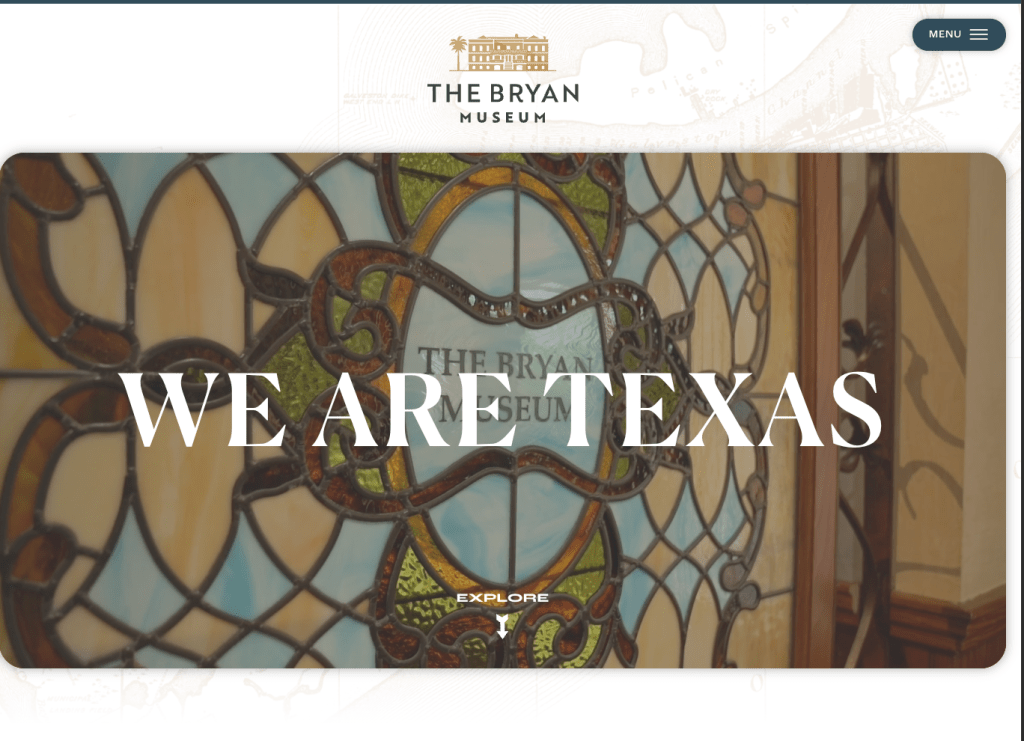
On my travels to Galveston, I have been able to experience what we historians would call public history. While traveling, I was able to stop by the Bryan Museum and the Dickinson Railroad Museum.
Both of these museums showcase the history that is local to the area in which they are found. While these are public histories, they are not digital histories.
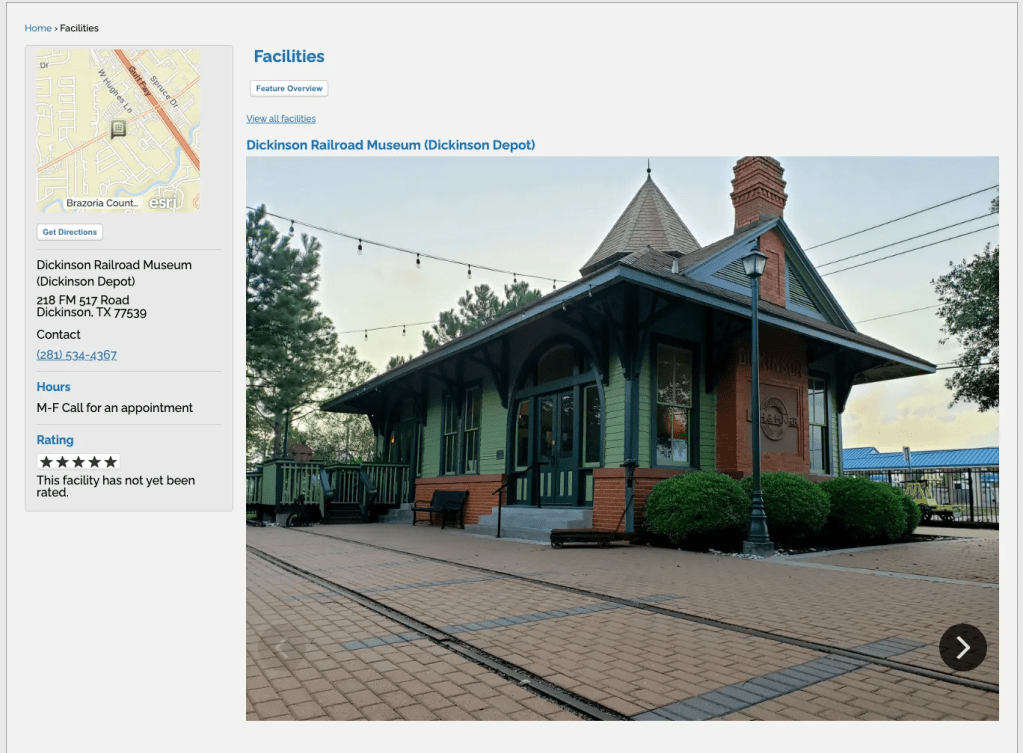
The field of digital history has been described as the use of digital technologies to examine, quantify, interpret, and share different historical narratives and relics. For things to be a digital history, they are to be fully accessible through the internet. While I have discovered that public histories, such as the Bryan Museum and the Dickinson Railroad Museum, should not be considered digital histories because they require the observer to physically go to the museum, I have to believe that digital histories should all be public history. To my dismay, I have found that digital histories that are also considered to be public history are not common.
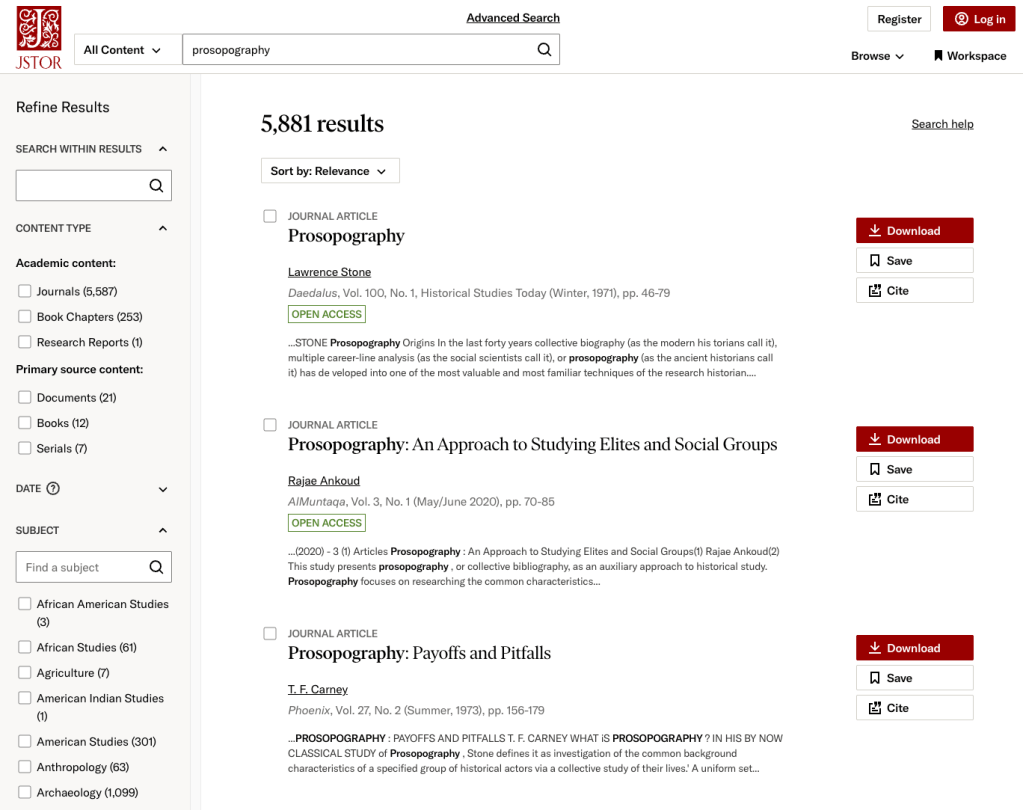
Websites such as JSTOR, known for their housing millions of scholarly articles, and the Digital Bodleian Library, the website of one of Oxford’s most notorious libraries,
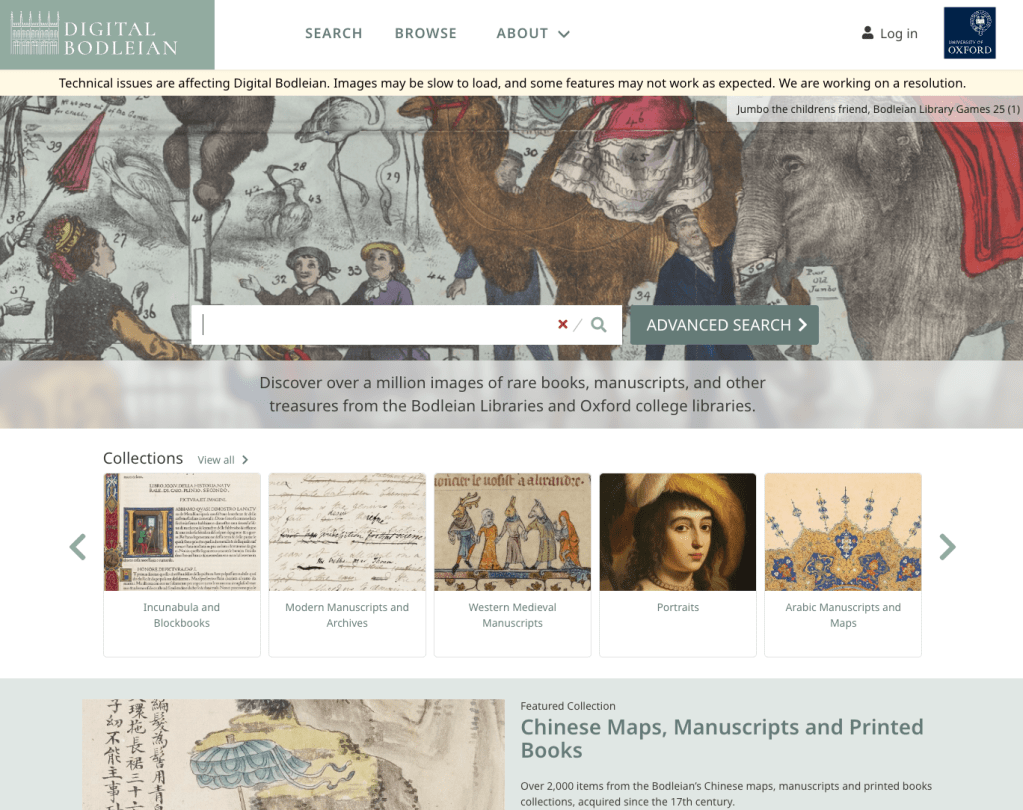
require either payment or the observer to know exactly what they are looking for. Issues such as paywalls and confusing archival systems can be an obstacle for travelers who wish to learn astounding histories that are physically buried within the stacks of the library.
You must be asking if museums are public history, and online databases are digital history; is it possible to have something that is both? My answer to you, dear traveler, is fear not, there is the possibility for both within the world of history. I have found that for things to be considered part of both digital history and public history, they must be accessible to everyone through the internet. No paywalls, no nonsense.
Different institutions have found different ways to make their histories available to the public.
The Smithsonian National Museum of Natural History has done this by making a virtual tour where the observer can virtually walk through the museum.

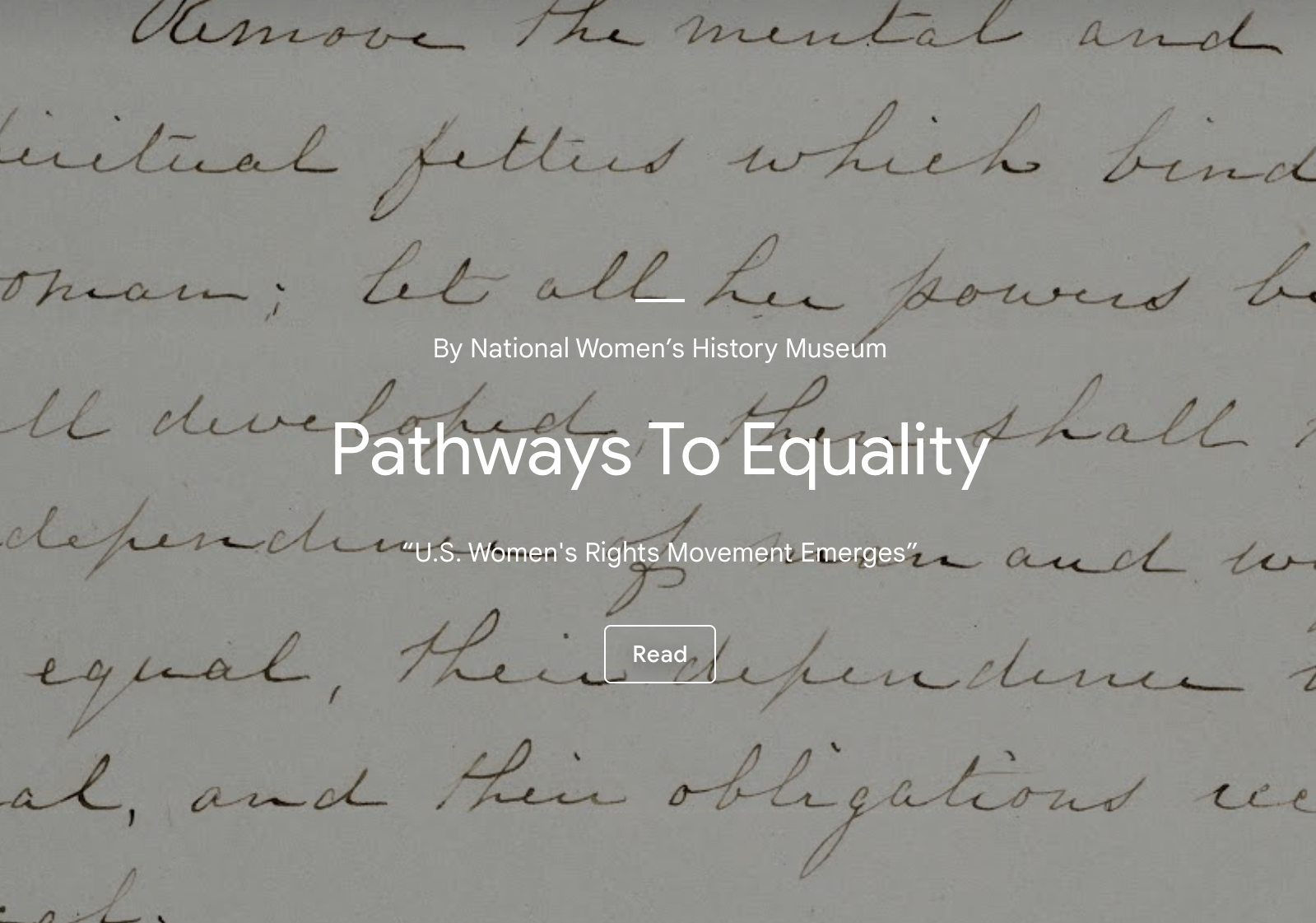
The National Women’s History Museum took a different approach and made a digital version of their exhibit.
The fields of public and digital history have the ability to shed light on narratives that have historically not been available to the public. Having the ability to digitally interact with historical relics and documents, as well as ‘visit’ museums that can be extremely difficult and expensive to get to. While there are many upsides to this, there is a secret dark side. It is important to remember that while traveling through history, you need to be aware of whose stories are being told and whether people are being excluded from the narrative. It is possible that certain narratives will continue to be hidden away in the shadows of the archives.
In conclusion, together we will step through history, determining which is public history, digital history, and identifying things that are both.
Happy traveling!
Hannah ❤
 Hannah Pullen
Leave a comment