Dear Travelers,
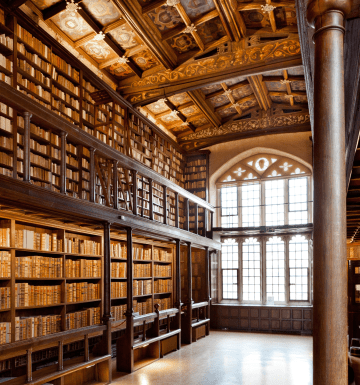
The archives have always been viewed as a secret place filled with the mysteries of the universe. Filled with thousands of documents that could hold the magic key to understanding the past. But this idea of a Hogwarts-like room filled with books has changed with the advancement of technology.
The role of the archivist is to “work with the communities they serve to acquire, arrange, describe, manage, and make available records to users now and in the future.” While the job of collecting and organizing historical documents lies in the hands of the archivists, historians have a different role. The goal for the historian is to interpret these documents to help the public understand the historical place the documents hold. With the advancement of technology in the past decade, these roles changed, with the archivist beginning to use historical methods to engage the public.
The objective of the archivist is not only to be the keeper of these historical records but also to share the history with others. This has led to the creation of digital archives and libraries. “Libraries hold and care for the community’s…written heritage, and strive to make it accessible, as per the technological culture and user expectations at the time.”
In order to understand the difference between an archive and a library, we need to understand the back end of their systems. Archives receive their historical records from donations. These donations can consist of almost anything, and the archivist has the ability to create collections around the documents that were received. Libraries focus primarily on their surrounding communities and focus on printed documents rather than manuscripts.
The creation of digital libraries has been revolutionary for scholars all over the world. Described as being “focused collection[s] of digital objects,” making rare and old books available to the public. The first and most popular was Project Gutenberg. As of this moment, there are over 75,000 books that include genres like history, science and technology, religion, and literature.
The use of digitization tools by libraries and archives allows historians and researchers from all over the world to access documents that they never could have had the opportunity to use. As a Ph.D student living in the United States studying medieval France, I rely heavily on digital scans of manuscripts. The digitization of these documents makes them more accessible for anyone to read.
For me, archives have always felt like a safe and almost sacred space, where we can allow our curiosity and questions to flourish. I worked in the NASA archives that were held at my university the summer before starting my master’s degree. While working there, I learned that I could leave the majority of my problems at the door and focus on the history and the documents that were in front of me. While visiting the University of North Texas Archives and digitization center, the love and passion of the archivists showed me that I am not the only one who feels this way. While the practices of the archivists and public history have changed with the times, one thing always remains the same, our love for learning and teaching.
What do you think about the digitization of manuscripts? Do you think they help the profession?
Happy Travels!
Hannah ❤
 Hannah Pullen
Leave a comment