Dear Travelers,
The creation and use of oral histories is something that I do not get to interact with often. Because the people that I study have been dead for approximately 700 years, the ability to not only use oral history interviews but also to conduct them is something foreign to me. I am a big advocate for doing a seance and that counting as an oral history interview, but my hopes and dreams of doing that were quickly dashed.
But because I am working on a project about the kidnapping and murder of a young college student in 1997, I have had the opportunity to not only use these types of interviews but also conduct a few of my own. Due to this being new territory for me, I had to research and understand what the duties and the ethics of an interviewer conducting interviews for oral history projects are.
One of the most important things for this, I’ve come to learn is to let the interviewee choose where to lead the conversation. Of course, we (the historian/researcher) can ask questions, but allowing the person to lead the path is important.
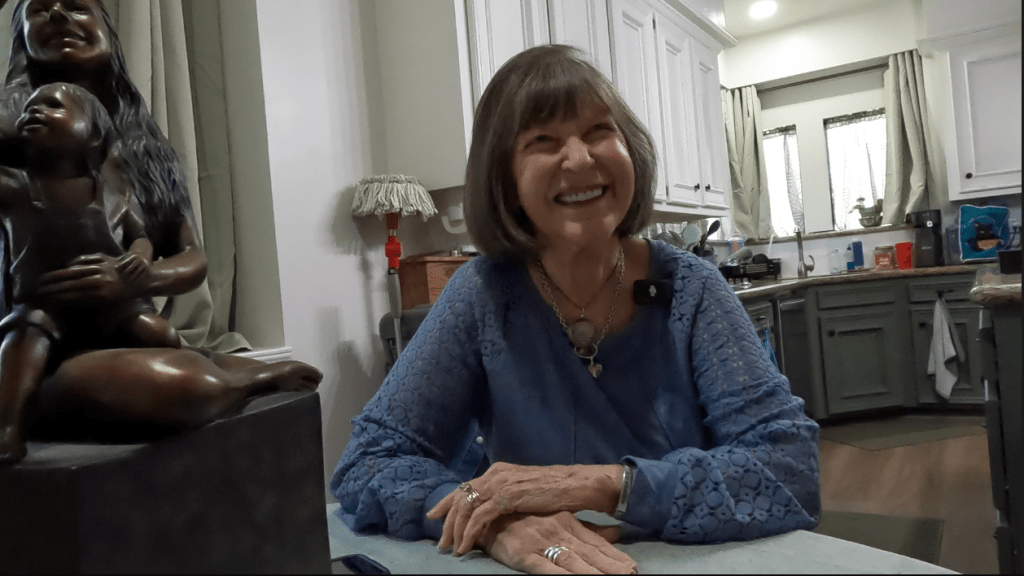
Something else that I have learned about conducting oral histories is to ask the interviewee if there are any topics that they do not feel comfortable talking about on camera. I am not sure if this is something that is advocated for by people who specialize in conducting oral histories, but because I was interviewing people who had experienced a life-altering trauma (the violent death of a loved one), I chose to ask them before ever turning on the camera if there were any topics that they would like to avoid talking about on the recording. While no one took me up on the offer, they appreciated my awareness of the extent of their trauma.
On the same note of oral histories and oral history interviews, I recently visited the Oral History Center here at the University of North Texas (UNT) and met with Dr. Todd Moye. UNT has one of the oldest oral history programs in the state of Texas, established in 1968 by Dr. Ronald E. Marcello, which is nationally recognized as one of the most important places to find interviews about World War II history, New Deal history, and Texas political history.
While there, Dr. Moye explains how oral histories are created and maintained by the program. When we think of an oral history, we often just think of the act of interviewing itself, but in reality, that is only a portion of the work involved in creating an oral history. The first step is, of course, to identify the subject that could be interviewed by the program. After the identification of the subject and initial contact, it is time to create the list of topics that you want to talk about. According to Dr. Moye, it is better to go into an interview without a list of questions but rather to identify topics that you would like to talk about. This strategy allows you to be flexible and adjust to the topics that the interviewees are talking about. Before the interview starts, it is time to give them the documents to sign, giving the university and researchers permission to use these interviews. If they wish to wait a period of time before allowing the interview to be used for research purposes, then that is possible as well. Now, it is time to conduct the interview! It’s over, right? That’s it? Unfortunately…no.
While the interview is complete, it is time to work on the back end. To create an oral history, a transcript needs to be created. This can be time-consuming and tedious. While the use of AI can be helpful and make the time go quicker, it cannot be trusted to do it correctly. It is required for the interviewer to listen to the audio of the interview while reading the transcript, looking for any mistakes that the AI made. Once the transcript is created, congratulations! The oral history is ready to be used! For the university, there may be more bureaucratic things that may need to be done, but for the average researcher, you can use them!
I am so happy that I have had the opportunity to conduct and use oral history interviews! It is something that I would never be able to do otherwise and I have found that I really love it!
What do you think of oral histories? Have you ever used them in your research? Let me know!
Happy Travels!
Hannah ❤
 Hannah Pullen
Leave a comment